Get Livestock Fencing Installation in Watauga County, NC
Livestock fencing installation services help property owners in Watauga County, NC, and nearby areas secure animals, prevent escapes, and define boundaries with various fencing solutions.
Livestock fencing installation services provide property owners in Watauga County, NC, with practical solutions to contain animals, enhance security, and define property boundaries. Proper fencing ensures livestock are safely enclosed, reducing the risk of escapes and potential accidents, while also preventing unwanted intrusions. Additionally, a well-designed fence can improve the overall functionality of a property, making daily management of animals more efficient and less stressful.
Beyond safety and practicality, livestock fencing offers benefits that contribute to the property's appearance and long-term durability. Quality fences can boost curb appeal by adding a polished, organized look to the landscape. They are often built to withstand the local weather conditions, resulting in increased durability and reduced maintenance needs over time. This combination of safety, functionality, and aesthetic appeal makes fencing a valuable investment for property owners seeking reliable and attractive solutions.
- Pasture fencing - needed to contain livestock in open grazing areas around rural communities.
- Barnyard fencing - suitable for securing animals close to farm buildings in agricultural regions.
- Ranch fencing - required to enclose large property boundaries for livestock management in expansive rural areas.
- Perimeter fencing - used to define property lines and keep livestock within designated areas near residential farms.
- Electric fencing - installed to prevent livestock from escaping or to protect herds from predators in countryside locations.
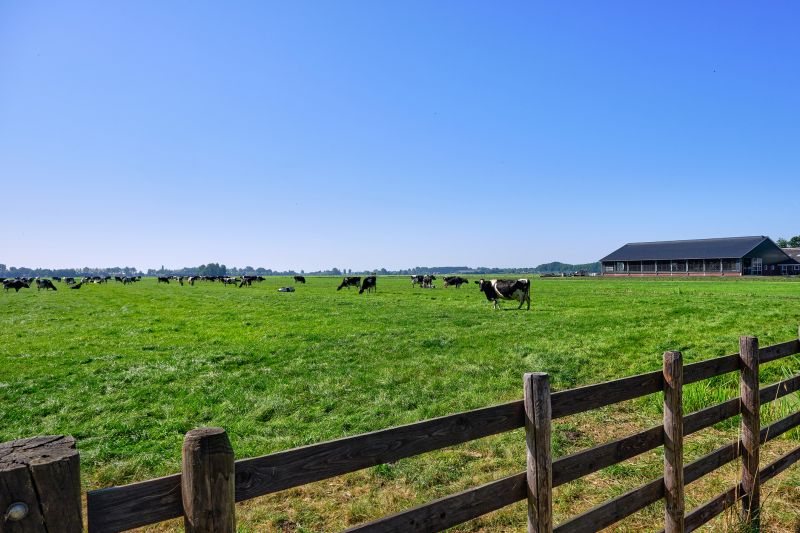
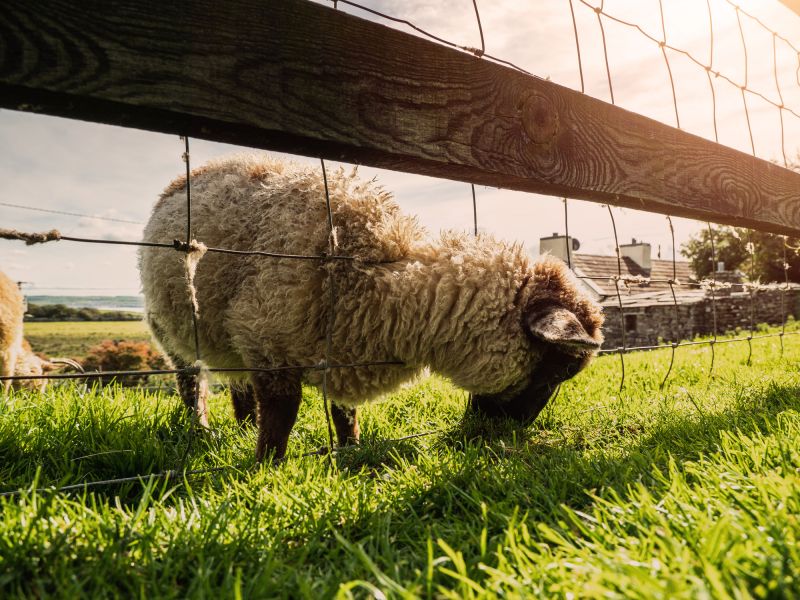
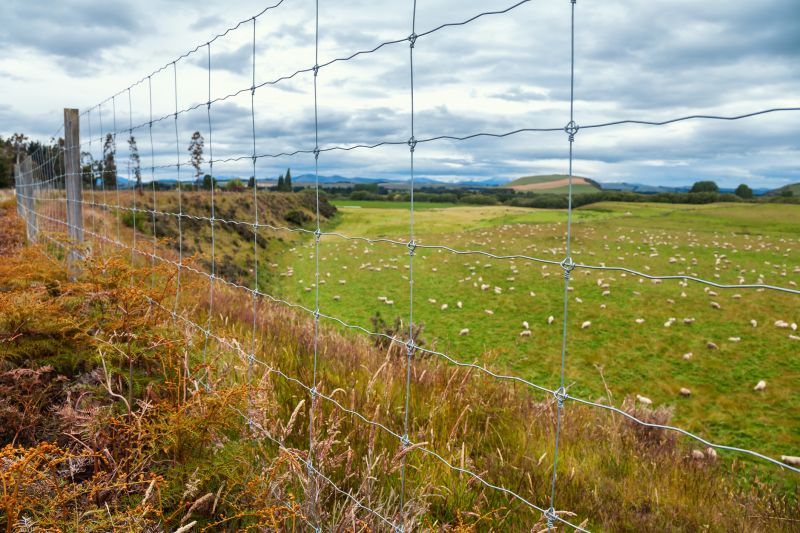
Livestock fencing installation services involve the setup of barriers designed to contain animals such as cattle, horses, sheep, and goats within designated areas. This process typically includes selecting appropriate fencing materials, preparing the property, and installing the fencing structure to ensure durability and effectiveness. Contractors may also customize fencing solutions to accommodate specific types of livestock, terrain challenges, and property layouts, providing a secure boundary that minimizes animal escape and prevents unwanted intrusions.
These services help address common problems associated with livestock management, including preventing animals from wandering off the property, avoiding interactions with traffic or predators, and protecting crops or other land uses from animal intrusion. Proper fencing can reduce the risk of livestock injuries, loss, or property damage, creating a safer environment for both animals and property owners. Additionally, well-installed fencing can improve overall property organization and facilitate easier grazing or rotational grazing practices.
Properties that typically utilize livestock fencing installation services include farms, ranches, and rural landholdings, especially those dedicated to animal husbandry or agricultural production. Larger estates with multiple pastures or grazing areas often require robust fencing solutions to manage different animal groups efficiently. Even smaller properties or hobby farms may seek professional fencing to ensure livestock safety and land management, particularly in areas where land boundaries need clear demarcation or where local regulations require secure enclosures.
Professional livestock fencing installation services can offer a variety of fencing options suited to different needs and property types. Common materials include wood, wire, vinyl, and metal panels, each providing unique advantages in terms of strength, visibility, and maintenance. Contractors typically assess the property’s specific requirements, terrain, and livestock type to recommend the most appropriate fencing system. Contacting local fencing specialists can help property owners find tailored solutions that meet their livestock containment and property management goals.
The overview below groups typical Livestock Fencing Installation projects into broad ranges so you can see how smaller, mid-sized, and larger jobs often compare in Watauga County, NC.
In many markets, a large share of routine jobs stays in the lower and middle ranges, while only a smaller percentage of projects moves into the highest bands when the work is more complex or site conditions are harder than average.
Perimeter Fencing Costs - Installing livestock fencing along a property boundary typically costs between $1,500 and $4,500, depending on the length and material used. For example, a 1,000-foot fence might range from $1,800 to $4,200. Local pros can provide detailed estimates based on specific property needs.
Material Expenses - The choice of fencing material influences the overall cost, with wood fences averaging $10 to $20 per linear foot and wire or electric fencing costing $8 to $15 per foot. Material prices can vary based on quality and availability in the Watauga County area.
Labor Costs - Labor charges for livestock fencing installation generally range from $40 to $70 per hour, with total labor costs depending on the project's complexity and size. A standard 200-foot fence might require 8 to 12 hours of work, totaling approximately $320 to $840.
Additional Expenses - Extra costs may include gate installation, post setting, and site preparation, which can add $200 to $800 or more to the project. Local service providers can help determine the full scope of expenses based on the fencing plan.
Actual totals will depend on details like access to the work area, the scope of the project, and the materials selected, so use these as general starting points rather than exact figures.
Barbed wire fencing - local pros can install barbed wire fences suitable for livestock containment and property boundaries, ensuring durability and security.
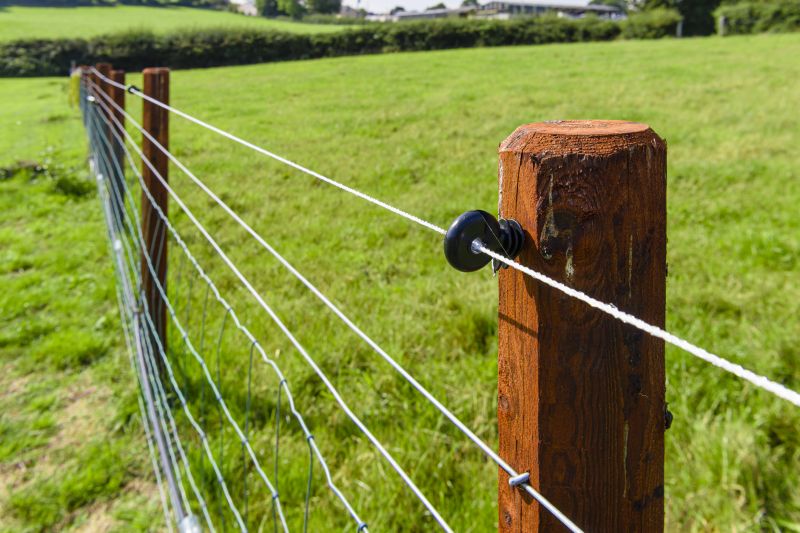
Electric fencing - experienced service providers can set up electric fences to help manage livestock movement and prevent escapes effectively.
Wood fencing - local contractors offer wooden fencing options that provide a traditional look while keeping livestock safely enclosed.
Chain-link fencing - professionals can install chain-link fences that are sturdy and low-maintenance for livestock enclosures.
Field fencing - specialists can set up field fencing designed specifically to contain livestock and withstand outdoor conditions.
Custom livestock fencing - local service providers can create tailored fencing solutions to meet specific livestock management needs.
When selecting a livestock fencing installation professional, it’s important to consider their experience with similar projects in the Watauga County area. Homeowners should inquire about the contractor’s background in installing livestock fences, ensuring they have a solid understanding of different fencing materials and techniques suited for agricultural needs. A reputable service provider will be transparent about their experience level and willing to share examples of past work, demonstrating their familiarity with local regulations and terrain considerations.
Clear communication and well-defined expectations are essential when working with a fencing contractor. Homeowners should seek professionals who are willing to discuss project details, including scope, materials, and timelines, in a straightforward manner. Establishing written expectations can help prevent misunderstandings and ensure that both parties agree on the work to be performed. Reputable local pros often provide detailed information about their services and are open to answering questions to facilitate a smooth installation process.
References from previous clients can serve as valuable indicators of a contractor’s reputation and reliability. Homeowners are encouraged to ask for and verify references to gain insights into the quality of work, punctuality, and professionalism of potential service providers. Good communication, backed by positive references and demonstrated experience, can help homeowners make informed choices when selecting local pros for livestock fencing installation. It’s important to remember that this resource introduces local options and does not perform the work itself.
Property owners in Watauga County, NC use Livestock Fencing Installation services for practical projects around their homes and businesses. The sections below highlight everyday jobs and straightforward project options.
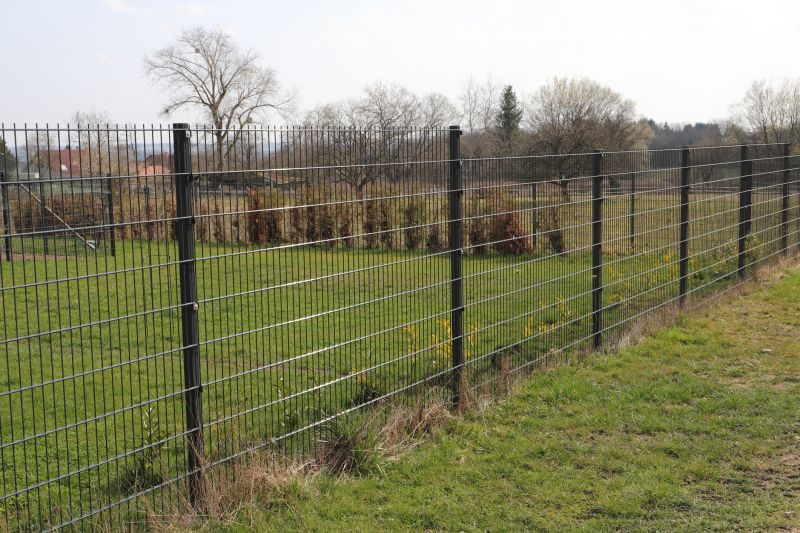
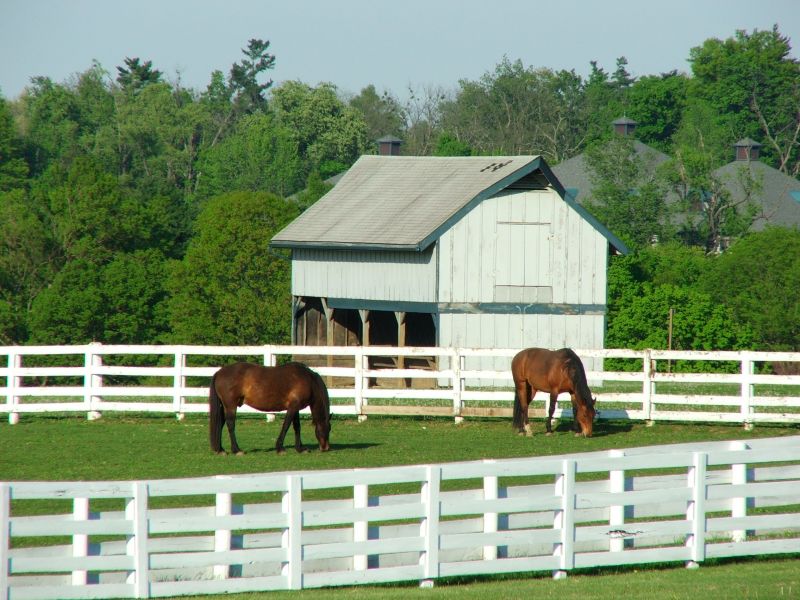
Livestock fencing installation services are commonly sought by property owners in Watauga County, NC, who need to establish secure boundaries for their farms, pastures, or homesteads. Whether setting up a new perimeter or replacing aging fencing, local contractors can help ensure livestock stays safely contained and property lines are clearly defined. These projects often arise when owners expand their operations, move animals to new grazing areas, or want to improve the overall security of their land.
In addition to livestock containment, property owners may pursue fencing services to prevent unwanted intrusion, protect gardens, or enhance privacy. Fencing can also serve as a visual boundary that adds to the aesthetic appeal of rural or residential properties. Local fencing professionals are available to assist with the installation of various types of fencing materials suited to the specific needs of Watauga County residents.
What types of fencing materials are available for livestock fencing? Local service providers typically offer a variety of materials such as wood, wire, vinyl, and electric fencing to suit different livestock needs.
How long does livestock fencing installation usually take? Installation times can vary based on the size and complexity of the project; local pros can provide estimates based on specific requirements.
Are there any regulations or permits required for installing livestock fencing? Regulations can differ by location; it is advisable to consult with local contractors who are familiar with regional guidelines.
Can livestock fencing be customized to fit specific property layouts? Yes, many local fencing contractors offer customization options to accommodate unique property features and livestock types.
What maintenance is needed for livestock fencing after installation? Maintenance requirements depend on the fencing type but generally include regular inspections, repairs, and cleaning, which local pros can assist with.
Types of Fencing Materials - Local fencing contractors can recommend suitable materials such as wood, wire, or vinyl to meet specific livestock needs.
Fencing Design Options - Pros offer various design solutions to ensure livestock containment and security tailored to property layouts.
Installation Process - Experienced service providers handle the installation process efficiently, ensuring proper setup and durability.
Maintenance and Repairs - Local specialists can assist with ongoing maintenance and repair to keep livestock fencing in optimal condition.
Considering Livestock Fencing Installation for a property in Watauga County, NC? The sections above highlight common project types, practical options, and details that often shape the scope of work.
When you are ready, use the quote form to share a few details about your project. Local pros can review the basics and respond with options that match what you have in mind.