Get Livestock Fencing Installation in Avery County, NC
Livestock fencing installation services in Avery County, NC, and nearby areas help property owners secure animals, define boundaries, and prevent escapes with custom fence solutions.
Livestock fencing installation services are essential for property owners in Avery County, NC, seeking to create secure and functional boundaries for their land. Proper fencing helps contain animals, preventing them from wandering off and protecting them from potential hazards. Additionally, a well-installed fence can enhance the overall layout of a property, making it more organized and accessible for daily farm or ranch activities.
Beyond safety and containment, livestock fencing offers benefits such as increased durability and reduced maintenance needs over time. High-quality fencing materials withstand the local weather conditions, maintaining their integrity and appearance for years. This durability helps property owners save on ongoing repairs and upkeep, while also boosting curb appeal by providing a neat, well-maintained look to the land. Professional fencing services ensure the installation meets these practical and aesthetic goals effectively.
- Pasture Fencing - Ideal for enclosing grazing areas for livestock such as cattle, sheep, or goats on farms and ranches.
- Barnyard Enclosures - Suitable for creating secure outdoor spaces around barns and stables in rural or agricultural settings.
- Ranch Fencing - Needed when establishing boundaries for large ranch properties in areas like Avery County, NC and nearby regions.
- Erosion Control Fencing - Used to prevent livestock from accessing and damaging sensitive land or waterways on rural properties.
- Temporary Fencing - Useful during livestock rotations, events, or construction projects requiring quick and removable barriers.
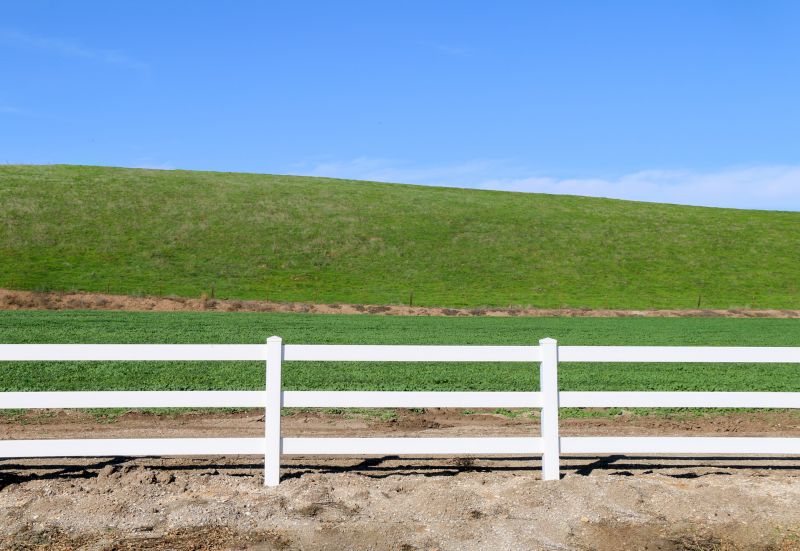
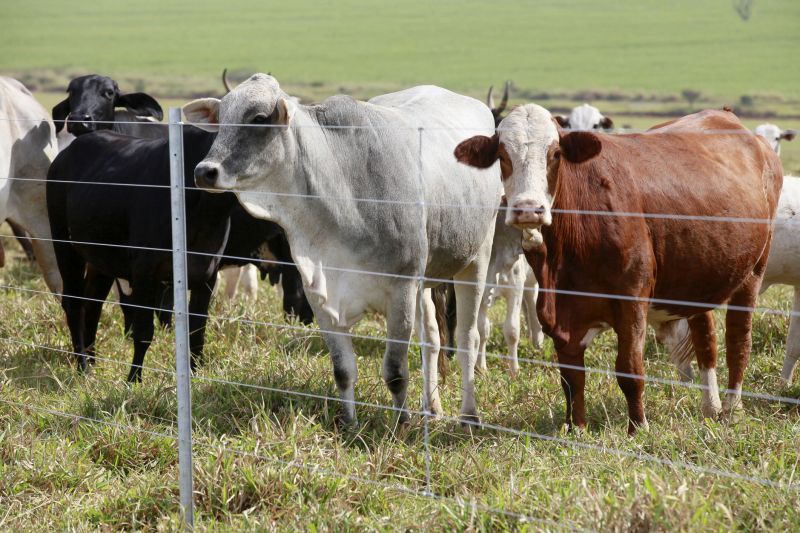
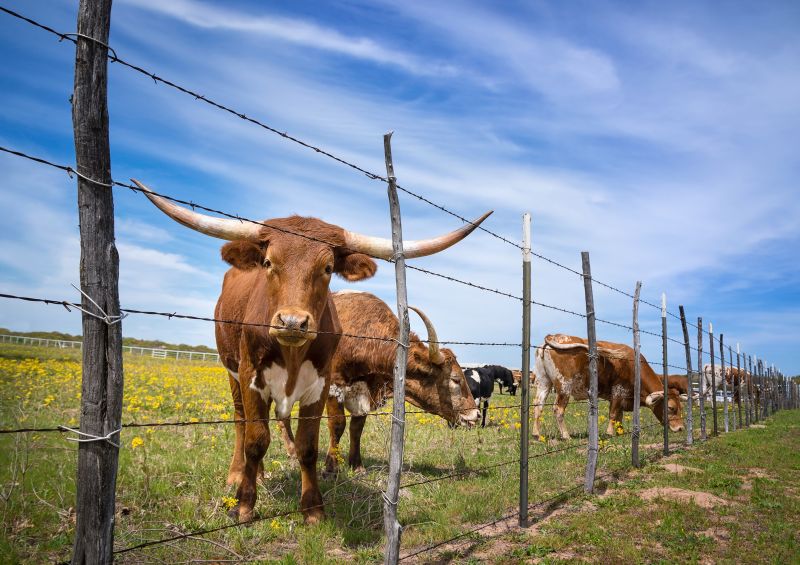
Livestock fencing installation services involve setting up durable barriers designed to contain animals and define property boundaries. These services typically include selecting appropriate fencing materials, measuring and planning the layout, and installing the fencing structure to ensure it is secure and long-lasting. The process may also involve adding gates and other accessories to facilitate access and movement for livestock. Skilled contractors work to ensure the fencing is properly anchored and resistant to animals attempting to breach or damage it, providing a reliable enclosure for farm animals.
One of the primary issues livestock fencing helps address is preventing animals from wandering off the property or into areas where they could be harmed or cause damage. Proper fencing reduces the risk of animals escaping, which can lead to safety concerns, property damage, or loss of livestock. Additionally, fencing can help keep unwanted wildlife out of the property, protecting both the animals and the land. By establishing clear boundaries, livestock fencing also aids in managing grazing areas and organizing farm operations more effectively.
Properties that commonly utilize livestock fencing include farms, ranches, and rural landholdings with livestock such as cattle, horses, goats, or sheep. These properties often require fencing that can withstand the elements and the physical efforts of animals. Larger parcels of land benefit from robust fencing systems that cover extensive areas, while smaller holdings may focus on more specific enclosures around barns or grazing zones. Residential properties with hobby farms or equestrian facilities also frequently invest in livestock fencing to secure their animals and delineate property lines.
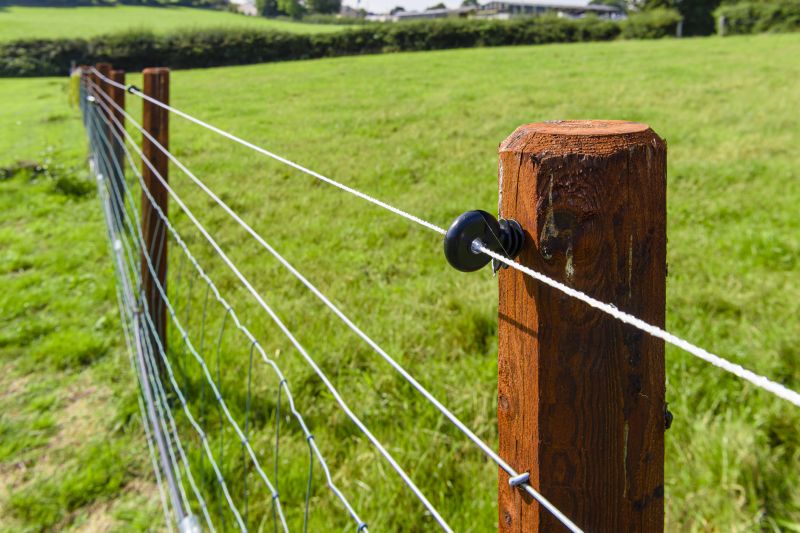
The selection of fencing types varies based on the specific needs of the property and the animals being contained. Common options include wire fencing, wood fencing, vinyl fencing, and electric fencing, each offering different levels of durability, visibility, and containment. Local pros can assess the property’s layout and livestock requirements to recommend suitable fencing solutions that provide security, longevity, and ease of maintenance. Contacting experienced contractors ensures that the fencing installation aligns with the property’s operational needs and provides a reliable enclosure for livestock.
The overview below groups typical Livestock Fencing Installation projects into broad ranges so you can see how smaller, mid-sized, and larger jobs often compare in Avery County, NC.
In many markets, a large share of routine jobs stays in the lower and middle ranges, while only a smaller percentage of projects moves into the highest bands when the work is more complex or site conditions are harder than average.
Material Costs - The expense of fencing materials varies depending on type and length, typically ranging from $8 to $20 per linear foot. For example, wire fencing may cost around $10 per foot, while wood fencing could be closer to $18 per foot.
Labor Expenses - Installation labor costs generally fall between $5 and $15 per linear foot, influenced by fence height, terrain, and complexity. For instance, a straightforward wire fence might cost around $7 per foot in labor, whereas a more intricate wooden fence could be $12 per foot.
Total Cost Estimates - Overall project costs often range from $1,000 to $5,000 for typical livestock fencing, depending on size and materials used. A smaller, simple enclosure might be closer to $1,200, while larger or more durable fences could reach $4,800 or more.
Additional Fees - Extra costs may include permits, land clearing, or specialized posts, which can add a few hundred dollars to the total. These supplementary expenses vary based on local regulations and site conditions.
Actual totals will depend on details like access to the work area, the scope of the project, and the materials selected, so use these as general starting points rather than exact figures.
Field Fencing - Local fencing contractors offer installation of field fencing suitable for livestock, providing secure boundaries for farms and ranches in Avery County and surrounding areas.
Electric Fencing - Electric fencing specialists install energizer systems that help keep livestock contained and protected, ideal for larger properties or rotational grazing.
Barbed Wire Fencing - Experienced service providers can install barbed wire fencing to create durable barriers that prevent livestock from escaping or intruders from entering.
Wood Fencing - Local pros provide wooden fencing options that combine functionality with aesthetic appeal for livestock enclosures and farm boundaries.
Pipe Fencing - Contractors skilled in pipe fencing installation design sturdy, long-lasting enclosures suitable for various types of livestock in rural settings.
Customized Livestock Fencing - Service providers can tailor fencing solutions to meet specific livestock management needs, ensuring secure and practical enclosures.
When evaluating local livestock fencing installation professionals, it’s important to consider their experience in the field. Seasoned contractors often have a deeper understanding of different fencing materials and techniques, which can contribute to a more durable and effective enclosure. Homeowners should inquire about the length of time a pro has been working in livestock fencing and whether they have handled projects similar in scope and complexity. This background can help ensure that the chosen professional has practical knowledge to address unique property needs and potential challenges.
Clear communication and well-defined expectations are essential components of a successful fencing project. Pros who provide detailed information about their services, the process, and what homeowners can anticipate tend to foster smoother interactions. It’s advisable to seek out providers who are transparent about their work scope and willing to discuss project specifics upfront. This approach helps establish mutual understanding and can reduce misunderstandings or surprises during the installation process.
Reputable references and reliable testimonials can offer valuable insights into a local fencing contractor’s reputation. Homeowners are encouraged to ask for examples of previous projects or references from past clients in the Avery County area or nearby communities. Additionally, reputable professionals usually have a history of consistent communication, responding promptly to inquiries and maintaining an open dialogue throughout the project. This level of responsiveness often reflects a contractor’s professionalism and commitment to customer satisfaction.
Property owners in Avery County, NC use Livestock Fencing Installation services for practical projects around their homes and businesses. The sections below highlight everyday jobs and straightforward project options.
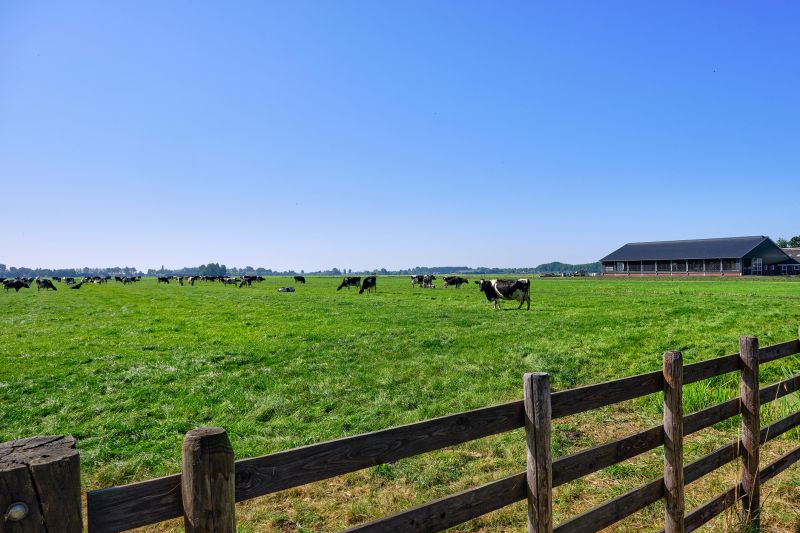
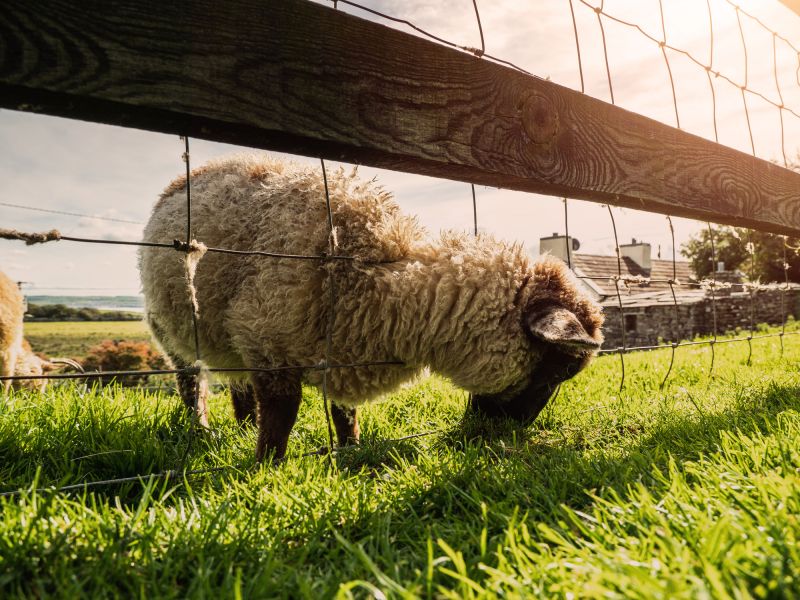
Livestock fencing installation services are commonly sought after by property owners in Avery County, NC, who need to contain or secure animals such as cattle, horses, goats, or sheep. Whether starting a new pasture or replacing aging fencing, many seek local professionals to ensure the fencing is sturdy and effective for their specific livestock needs. Proper fencing helps prevent animals from wandering off the property, protects them from potential hazards, and maintains clear boundaries between different land areas.
Property owners may also look for fencing services when they want to improve the security of their land or prevent unauthorized access. In rural areas of Avery County, maintaining clear property lines can be important for managing land use and livestock movement. Local fencing contractors are often contacted to provide solutions that are durable, suitable for outdoor conditions, and tailored to the size and layout of the property, helping owners keep their livestock safe and their land organized.
What types of fencing materials are commonly used for livestock fencing? Common materials include wire, wood, vinyl, and poly fencing, each suitable for different types of livestock and property needs.
How long does livestock fencing installation typically take? Installation duration varies based on the size of the area and fencing type, but local contractors can provide estimates based on specific projects.
What factors should be considered when planning livestock fencing? Important factors include livestock type, property layout, security needs, and local regulations, which local pros can help assess.
Is livestock fencing installation suitable for all property sizes? Yes, professional installers can adapt fencing solutions to fit properties of various sizes and terrains.
How can I find local professionals for livestock fencing installation? Contacting local fencing contractors or service providers in Avery County and nearby areas can connect you with experienced pros.
Types of Fencing Materials
- Local fencing contractors can help select the best materials for livestock enclosures, such as wood, wire, or vinyl, based on specific needs and preferences.Design and Layout Planning
- Professional service providers can assist with designing fencing layouts that optimize space and meet property requirements.Installation Services
- Skilled contractors offer expert installation of livestock fences to ensure durability and proper functionality.Maintenance and Repair
- Local pros can provide ongoing maintenance and repair to keep livestock fencing secure and in good condition.
Considering Livestock Fencing Installation for a property in Avery County, NC? The sections above highlight common project types, practical options, and details that often shape the scope of work.
When you are ready, use the quote form to share a few details about your project. Local pros can review the basics and respond with options that match what you have in mind.